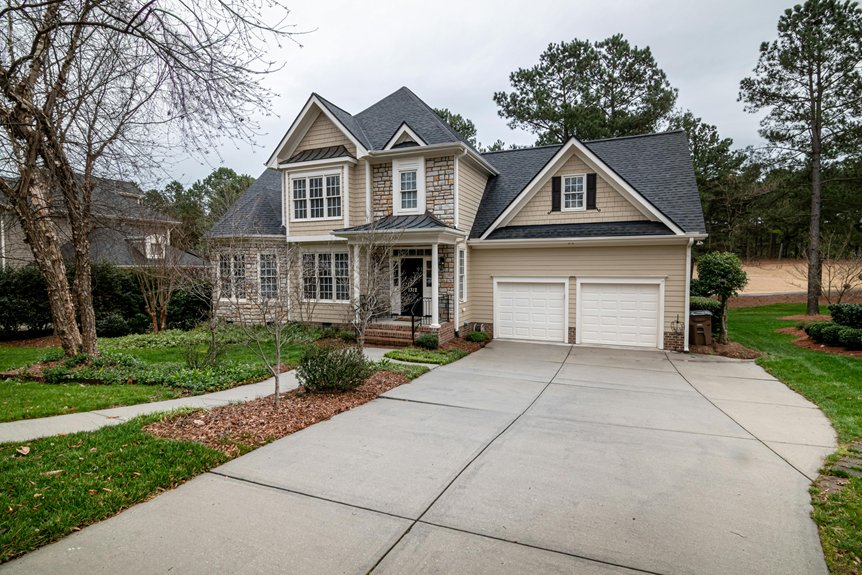
Roof shingles in Oklahoma serve as crucial protectors against extreme weather, UV rays, and moisture, with their primary purpose being to shield your home and extend roof lifespan. Their durability depends on material type, quality, installation, and climate factors such as hail, temperature fluctuations, and storms. Proper maintenance and choosing impact-resistant or weather-adaptive options can greatly prolong shingles’ life. To guarantee your roof remains resilient, explore the key factors influencing each shingle’s performance and longevity.
Understanding the Role of Roof Shingles in Oklahoma Homes
Roof shingles serve as the primary protective barrier for Oklahoma homes, shielding them from harsh weather conditions such as intense sun, heavy rain, hail, and tornado-related debris. Their role extends beyond mere coverage; proper installation guarantees ideal roof ventilation, which prevents heat buildup and moisture accumulation, therefore extending shingle lifespan.
Modern roofing systems increasingly incorporate solar integration, allowing solar panels to be seamlessly installed beneath or integrated with shingles, enhancing energy efficiency without compromising protection. Effective roof ventilation is essential to maintain a balanced attic environment, reducing thermal stress on shingles and minimizing energy costs.
Additionally, ventilation systems help prevent ice dams and moisture-related damage, which can compromise shingle integrity over time. Integrating solar technology with well-ventilated roofing ensures durability, energy savings, and sustainability, making it a critical consideration in Oklahoma’s diverse climate.
Your roofing system must be designed to accommodate these elements for long-term performance.
How Climate Influences Shingle Selection and Lifespan in Oklahoma
Oklahoma’s diverse climate, characterized by hot summers, severe storms, and occasional freezing temperatures, directly impacts the performance and longevity of roofing materials. Hail storms are common and can cause immediate physical damage to shingles, necessitating impact-resistant options like laminated asphalt or metal shingles.
Temperature fluctuations between high daytime heat and cold nights induce thermal expansion and contraction, stressing shingle materials over time. This cyclical movement accelerates cracking, curling, and granule loss, reducing overall lifespan.
To mitigate these effects, you should select shingles with high impact resistance and thermal stability, such as laminated asphalt or architectural shingles designed for extreme conditions. Proper underlayment and ventilation further help manage moisture and temperature shifts.
Understanding these climate factors guarantees you choose a shingle type that withstands Oklahoma’s harsh weather, maintaining durability and extending your roof’s service life. Additionally, selecting weather-resistant materials that are specifically designed for extreme conditions can significantly improve your roof’s longevity in this challenging climate.
Common Types of Roofing Shingles and Their Purposes
Understanding the specific features of asphalt shingles helps you select the right option for durability and performance in Oklahoma’s climate.
You’ll find architectural shingles offer enhanced aesthetic appeal and longevity compared to traditional three-tab designs, which focus on cost efficiency.
Additionally, specialty shingles provide increased resistance to extreme weather conditions, making them suitable for high-performance roofing requirements.
Choosing trusted roofing materials ensures your roof withstands Oklahoma’s diverse weather patterns and offers long-lasting protection.
Asphalt Shingles Durability
Asphalt shingles are widely favored for their balance of durability, affordability, and ease of installation, making them a practical choice for many homeowners. Their durability depends on material quality, granule adhesion, and exposure to weather elements.
Asphalt shingles typically last 15 to 30 years, with architectural varieties offering increased lifespan due to thicker construction. They provide versatile aesthetic options, including various colors and styles to match architectural themes.
Additionally, modern asphalt shingles are designed for solar integration, enabling solar panel installation without compromising durability or appearance. Their resistance to wind, hail, and thermal cycling contributes to long-term performance, especially in Oklahoma’s variable climate.
Proper maintenance and quality installation are essential to maximize lifespan and guarantee consistent protection.
Architectural Versus Three-Tab
Architectural shingles and three-tab shingles represent the two primary categories of residential roofing materials, each serving distinct functional and aesthetic purposes.
Architectural shingles are thicker, multi-layered, and designed to mimic natural materials like wood or slate, offering a textured, dimensional appearance. They typically provide enhanced durability, better wind resistance, and an extended lifespan, justifying their higher installation cost.
In contrast, three-tab shingles are flat, uniform, and have a single layer, resulting in a more economical choice with a straightforward, consistent look.
Both types offer a variety of color options, allowing you to match your home’s style.
While architectural shingles generally cost more upfront, their improved longevity and visual appeal can offset the initial investment over time.
Specialty Shingle Options
Beyond standard architectural and three-tab shingles, there are specialty options designed to address specific aesthetic preferences, environmental conditions, and durability requirements. Solar shingles integrate photovoltaic technology directly into roofing materials, providing energy generation without compromising roof integrity.
Impact resistant shingles feature enhanced durability, offering superior protection against hail, debris, and high winds common in Oklahoma. These shingles are constructed with reinforced materials to absorb and disperse impact energy, reducing damage and extending roof lifespan.
Both options serve specialized purposes: solar shingles promote energy efficiency, while impact resistant shingles enhance resilience in severe weather. Selecting these specialty shingles involves evaluating your home’s exposure risks, aesthetic goals, and long-term durability needs, ensuring your roofing system performs ideally under local climate conditions.
Factors That Affect the Longevity of Your Roof Shingles
Several factors directly influence the lifespan of your roof shingles, including exposure to environmental conditions, installation quality, and maintenance practices. Environmental factors such as temperature fluctuations, UV radiation, and severe storms accelerate deterioration.
Shingle color options can impact longevity; darker shades absorb more heat, potentially speeding up material aging, while lighter hues reflect sunlight, reducing thermal stress.
Proper roof ventilation systems are critical—they help regulate attic temperatures, prevent moisture buildup, and minimize thermal expansion or contraction that can compromise shingles over time.
Installation quality also plays a crucial role; improper nailing, inadequate underlayment, or poor sealing increase vulnerability to leaks and wind damage.
Regular maintenance, such as cleaning debris, inspecting for damage, and addressing minor issues promptly, extends shingle life.
Understanding these factors enables you to optimize your roofing system’s durability, ensuring your Oklahoma home remains protected against the region’s demanding climate.
Signs It’s Time to Replace Your Roof Shingles
Over time, even well-installed and properly maintained shingles will show signs of aging and wear that indicate it’s time for replacement. Visible granule loss, such as bald patches or excessive accumulation in gutters, signals deterioration of the asphalt or mineral surface.
Curling or cracking shingles, especially along edges or ridges, compromise the roof’s integrity and suggest imminent failure. You should also watch for significant color fading or inconsistent shading that may result from UV damage, impacting the roof’s aesthetic appeal and signaling advanced aging.
Additionally, the aesthetic aspect—such as outdated decorative shingle styles or limited options in shingle color choices—may prompt replacement for visual harmony or personal preference. Keep in mind that moss, algae, or mold growth can further degrade shingles.
Recognizing these signs early helps prevent leaks, structural damage, and costly repairs, ensuring your roofing system remains functional and visually appealing.
How to Maximize Your Roof Shingles’ Durability and Performance
To maximize your roof shingles’ durability and performance, focus on proper installation techniques that guarantee secure fastening and correct alignment, preventing premature failure. Regular maintenance, including inspections for damage and debris removal, helps identify issues early and extends the lifespan of your shingles. Implementing these practices consistently will optimize your roof’s resilience against Oklahoma’s weather conditions.
Proper Installation Techniques
Ensuring proper installation of roof shingles is essential for optimizing their durability and performance, especially in Oklahoma’s variable climate. You should verify that shingles are aligned correctly, with consistent overlaps to prevent water intrusion. Pay attention to shingle color, as lighter shades can reflect heat, reducing thermal stress, while darker shades absorb more heat but may expand differently.
Proper installation safety is critical; always use fall protection and follow manufacturer guidelines to avoid damage or injury. Use appropriate underlayment and ensure fasteners are driven correctly—nails should be placed just above the sealant strip and driven straight to prevent leaks.
Precise application of starter shingles and ridge caps further enhances wind resistance and overall system integrity. Proper technique guarantees maximum lifespan and performance of your roofing system.
Routine Maintenance Practices
Have you implemented a regular maintenance routine to maximize your roof shingles’ lifespan and performance? Routine inspections are essential for identifying damage, such as cracked or missing shingles, which can compromise the roof’s integrity.
Clean gutters and remove debris to prevent water backup that accelerates wear. Consider solar integration options carefully; guarantee mounting systems don’t damage shingles or void warranties.
When selecting shingle colors, opt for lighter shades to reflect sunlight, reducing thermal stress and prolonging material life. Periodic cleaning with low-pressure washing prevents moss and algae buildup, which can degrade shingles.
Regularly trim overhanging branches to minimize debris accumulation and physical damage. These practices optimize durability, maintain aesthetic appeal, and enhance energy efficiency, especially crucial in Oklahoma’s variable climate.
Choosing the Best Shingle Material for Oklahoma’s Weather Conditions
Oklahoma’s fluctuating climate demands roofing materials that can withstand extreme temperature variations, high winds, and potential hail damage. To achieve this, select shingle materials with high impact resistance and reinforced granules, such as architectural asphalt shingles or impact-resistant fiberglass options. These materials offer superior durability against hail and wind uplift.
Additionally, consider solar compatibility; some asphalt shingles are designed to support solar panel installation, which can enhance energy efficiency during hot summers. Aesthetically, you have multiple options, including varied colors, textures, and styles, allowing you to match your home’s exterior while maintaining functionality.
Metal shingles also provide excellent weather resistance and can be coated for enhanced reflectivity, reducing heat absorption. When choosing a material, evaluate not only initial costs but also long-term performance under Oklahoma’s weather conditions.
Prioritizing impact resistance, solar compatibility, and aesthetic versatility ensures your roof’s resilience and visual appeal for years to come.
Tips for Maintaining and Extending the Lifespan of Your Roof Shingles
Proper maintenance considerably extends the lifespan of your roof shingles, especially given Oklahoma’s challenging weather conditions. Regular gutter maintenance prevents water backup, which can cause shingle deterioration and leaks. Ensure gutters are free of debris, and verify proper slope to promote efficient drainage.
Incorporate solar energy systems thoughtfully; ensure mounting hardware doesn’t compromise shingle integrity and that panels are properly sealed to prevent leaks. Periodically inspect shingles for damage, such as curling, cracking, or missing granules, and address issues promptly.
Trim overhanging branches to reduce debris accumulation and minimize physical damage from storms. Additionally, consider installing reflective coatings or solar reflective shingles to reduce heat absorption, which can prolong shingle life by minimizing thermal stress.
Conduct annual roof inspections, especially after severe weather events. Proper gutter maintenance combined with strategic solar energy integration helps mitigate environmental stressors, ensuring your roof shingles maintain their protective qualities and extend their functional lifespan.
Conclusion
Understanding the specific functions and lifespan factors of roof shingles in Oklahoma is crucial for maintaining a durable roofing system. Selecting the appropriate shingle type, considering the state’s climate influences, and performing regular maintenance are key steps to extend your roof’s longevity. Being vigilant for signs of wear and addressing issues promptly will help ensure your roofing system provides reliable protection, energy efficiency, and long-term performance despite Oklahoma’s challenging weather conditions. For more information on how to schedule your free roof inspection, call us at (405) 543-2920 or visit us online at Top View Roofing.