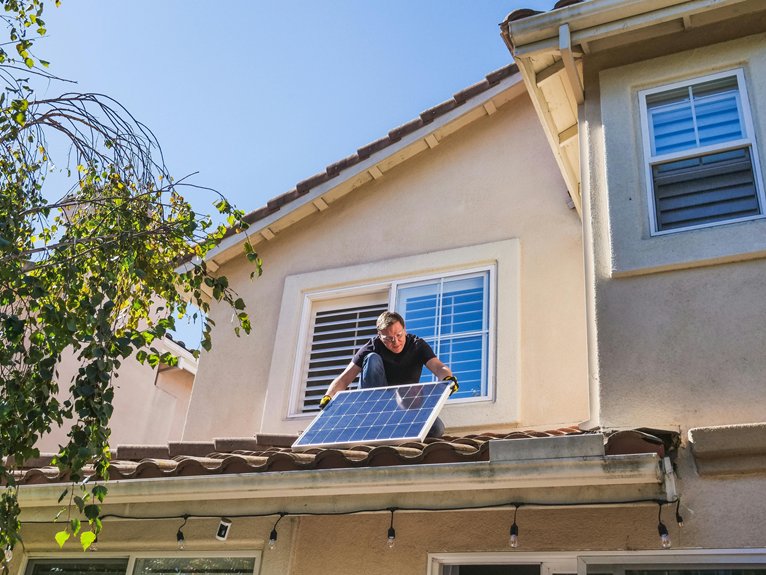
If you’re considering a roof replacement in Spencer, OK, understanding the importance of inspections can save you time and money. Properly evaluating your roof before, during, and after the process helps catch issues early and ensures a safe, long-lasting result. But what exactly do inspectors look for, and when should you schedule these checks? Keep reading to learn how professional inspections can protect your investment and prevent costly problems down the line.
The Importance of Roof Inspections During Replacement
Since a roof replacement is a significant and complex project, regular inspections during the process are crucial to guarantee everything is done correctly. Checking the roof material ensures that each component is properly installed and meets quality standards, preventing future leaks or damage. It also helps identify any issues early, saving you money and time down the line. Proper installation practices are essential to ensure the longevity and durability of your new roof, especially in the challenging weather conditions common in Oklahoma.
Attention to ventilation systems during inspections is equally important; proper airflow maintains a healthy roof structure and prevents moisture buildup that could lead to mold or rot. By closely monitoring these elements, you ensure your new roof functions efficiently and lasts longer.
Regular inspections during replacement give you peace of mind, knowing that the job is being done right and your home’s protection is prioritized.
When to Schedule a Roof Inspection in Spencer, OK
Timing your roof inspection in Spencer, OK, is crucial to guarantee your roof remains in top condition and to catch potential issues early. You should schedule inspections after severe weather events like storms or hail to assess for damage. Regular roof maintenance inspections, at least once a year, help identify wear and tear before it worsens. If you’re filing insurance claims after storm damage or leaks, an inspection is indispensable to document the condition of your roof. Additionally, consider scheduling an inspection before selling your home to improve your chances of a smooth transaction. Staying proactive with inspections ensures your roof stays durable, protects your investment, and simplifies insurance processes when needed. Don’t wait for problems to arise—regular checkups are your best defense. Trusted roofing experts in Oklahoma can provide professional guidance and reliable service to keep your roof in optimal condition.
Key Components Inspected During Roof Replacement Checks
During a roof replacement check, inspectors focus on several key components to guarantee your roof’s integrity and longevity. They examine ventilation systems to guarantee proper airflow, preventing moisture buildup and reducing heat in your attic. Proper ventilation extends your roof’s lifespan and improves energy efficiency.
Inspectors also assess gutter integrity, checking for blockages, leaks, or sagging that could cause water damage or foundation issues. Ensuring gutters are secure and functioning properly helps direct rainwater away from your home effectively.
Additionally, they evaluate the roof’s overall structure, flashing, and shingles for signs of damage or wear. These inspections are vital for identifying potential problems early, ensuring your new roof performs at its best for years to come.
Common Issues Identified by Inspectors
Inspectors often find common issues that can compromise your roof’s performance and lifespan. Shingle deterioration is a frequent problem, seen as curling, cracking, or missing shingles that reduce protection against the elements. These signs indicate aging or damage from weather exposure.
Fascia damage is another common issue, typically caused by water infiltration or physical impact. Damaged fascia boards can weaken your roof’s structure and lead to further problems like leaks or rot.
Inspectors look for these issues during their evaluations, as they’re critical indicators of roof health. Identifying shingle deterioration and fascia damage early allows for timely repairs, preventing more costly repairs or a full roof replacement down the line.
Addressing these issues helps ensure your roof remains durable and secure.
The Role of Building Codes and Safety Standards
Building codes and safety standards set the legal framework that guides roof inspections and repairs, guaranteeing your home meets minimum safety requirements. When planning a roof replacement, you’ll need to secure the necessary building permits, which verify that the project complies with local codes.
These standards also mandate contractor licensing, so only qualified professionals perform work, reducing risks like leaks or structural failure. Inspections ensure that repairs follow safety protocols and meet all regulations.
How Inspectors Ensure Proper Installation
To guarantee your roof is installed correctly, inspectors meticulously examine every phase of the project, from initial setup to final completion. They verify that the chosen roof material meets industry standards and manufacturer specifications.
Inspectors pay close attention to how the materials are installed, ensuring proper fastening, alignment, and sealing. Weather conditions are also a critical factor; inspectors check if work was performed under suitable weather, avoiding high winds or rain that could compromise installation quality.
They look for proper ventilation, flashing, and insulation practices that prevent leaks and enhance durability. By scrutinizing these details, inspectors confirm that the installation adheres to safety standards and building codes, giving you confidence that your new roof will withstand Spencer’s climate and last for years to come.
Typical Inspection Process Step-by-Step
Beginning with a clear plan, the inspection process follows a series of essential steps to guarantee your roof meets quality standards.
First, the inspector reviews the inspection checklist, which covers all critical areas of your roof, including the condition of the roof material. They’ll examine the shingles, flashing, and any signs of damage or wear.
Next, they assess the roof’s structure, looking for sagging or compromised areas.
The inspector also checks for proper ventilation and drainage to prevent future issues.
Throughout the process, they document findings and take photos for reference.
What Homeowners Should Prepare Before Inspection
Preparing your home before a roof inspection guarantees the process goes smoothly and efficiently. Start by reviewing your inspection checklist so you know what areas the inspector will examine.
Clear any debris, such as leaves or branches, from your roof and gutters to give the inspector unobstructed access. Make sure access points, like ladders and pathways, are safe and accessible.
As a homeowner, your responsibilities include securing pets indoors, removing obstacles from your attic or crawl spaces, and providing any necessary documentation about previous repairs.
Additionally, ensure that your attic is well-ventilated and accessible, as inspectors often check for signs of leaks or moisture.
Proper preparation helps the inspector do their job thoroughly and saves time during the inspection.
Understanding Inspection Reports and Findings
When you review your roof inspection report, it’s important to understand what the findings mean for your home’s condition. You might see notes about ventilation problems, which can cause excess heat and moisture buildup, leading to faster roof deterioration.
Gutter issues are also common and can lead to water backup, leaks, or damage to your roof’s edge. The report will detail the severity of these problems and whether repairs are needed immediately or can wait.
Pay close attention to recommendations for fixing ventilation problems and gutter issues, as neglecting them can compromise your roof’s integrity. Understanding these findings helps you prioritize repairs, avoid costly damage, and ensure your roof remains in good shape for years to come.
Post-Inspection Tips for a Long-Lasting Roof
After your roof inspection, taking prompt and proactive steps can considerably extend its lifespan. Regular maintenance tips, such as cleaning gutters and removing debris, prevent water buildup and reduce damage risks.
Address minor issues like loose shingles or small leaks immediately to avoid costly repairs later. Schedule routine inspections, especially after severe weather, to catch potential problems early.
Keep trees trimmed to prevent branches from damaging the roof during storms. Proper attic ventilation and insulation also promote roof longevity by reducing moisture buildup.
Avoid walking on the roof unnecessarily to prevent damage. By consistently following these maintenance tips, you help preserve your roof’s integrity, ensuring it lasts longer and performs better.
Staying vigilant and proactive is key to maximizing your roof’s lifespan and avoiding premature replacements.
Conclusion
Regular roof inspections in Spencer, OK, are vital to catch issues early and guarantee your roof stays in top condition. By staying proactive, you protect your investment, extend your roof’s lifespan, and avoid costly repairs down the line. Schedule inspections after severe weather or annually, and always review the inspector’s findings carefully. For more information on how to schedule your free roof inspection, call us at (405) 543-2920 or visit us online at Top View Roofing. Taking these steps now will give you peace of mind and keep your home safe and secure for years to come.