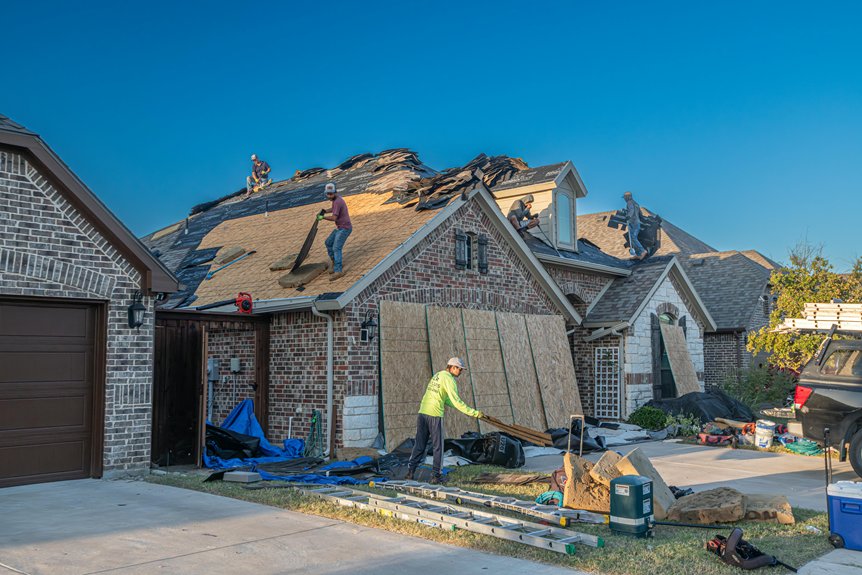
If you’re considering a roof replacement in Guthrie, OK, it’s important to understand what the process entails and what to expect along the way. From planning and permits to installation and final inspection, each step plays a role in ensuring your home stays protected against severe weather. Knowing what’s involved can help you prepare and make informed decisions. Let’s walk through each stage so you’re ready for a smooth and successful upgrade.
Assessing Your Roofing Needs and Choosing Materials
Before beginning your roof replacement, it’s essential to assess your specific needs and select the right materials. Consider the climate in Guthrie, OK, and how it affects your roofing options. You’ll want roofing materials that offer high material durability to withstand severe weather, such as storms or temperature fluctuations. Think about the style of your home and your budget, as these factors influence your choices. Asphalt shingles are popular for their affordability and durability, while metal roofing offers longer-lasting protection. Evaluate each material’s lifespan, maintenance needs, and aesthetic appeal. Picking the right roofing materials guarantees your new roof provides reliable protection and enhances your home’s appearance for years to come. Proper assessment now saves you time and money later. Regional climate considerations are crucial when choosing roofing materials, especially in areas like Guthrie, OK, where weather challenges are common.
Obtaining Necessary Permits and Scheduling the Project
Once you’ve selected your roofing materials and planned your project, the next step is to obtain the necessary permits and schedule the work. The permit process guarantees your roof replacement complies with Guthrie’s local building codes and regulations. Ensuring your project adheres to local building codes is essential for a successful and legal installation.
Contact your city’s building department to understand the requirements and submit the required paperwork. Processing times can vary, so start early to avoid delays.
Once permits are approved, coordinate with your contractor to establish a clear scheduling timeline. This timeline will outline key milestones, including start and completion dates, weather considerations, and inspection appointments.
Staying organized and proactive during this phase helps ensure your project proceeds smoothly and on schedule.
Preparing Your Property for Roof Replacement
Preparing your property for roof replacement is essential to guarantee the work goes smoothly and safely. Clear the area around your home, removing any outdoor furniture, vehicles, or decorations that could obstruct access or get damaged.
Make certain your gutters are clean to prevent debris from falling during the process. Communicate with your contractor about their credentials and ask for details on roofing warranties to understand what coverage you’ll have post-installation.
Protect valuable items inside your home by covering furniture and electronics, as dust and debris may enter during work. Inform your neighbors about the project to minimize disruptions.
Proper preparation helps the crew work efficiently, reduces potential hazards, and ensures your new roof is installed correctly, backed by credible warranties and experienced professionals.
The Removal of the Old Roof
With your property prepped and the area cleared, the team will begin removing the existing roof. They start by carefully lifting shingles, underlayment, and any damaged decking.
During this process, shingle disposal becomes a priority—materials are collected and loaded onto trucks for proper disposal or recycling. Debris removal is continuous, guaranteeing the work site stays clean and safe.
Your team uses specialized tools to strip away layers efficiently, minimizing damage to surrounding areas. As they work, they’ll also inspect the underlying structure for any issues that need addressing before installing the new roof.
This step is vital to ensure a solid foundation for the upcoming installation. Expect the removal process to take several hours, depending on the roof size and material condition.
Installation of the New Roofing System
After ensuring the roof deck is clean and free of debris, your installation team begins laying down the new roofing system. They carefully arrange the shingles, prioritizing shingle durability to withstand Guthrie’s weather conditions. Proper installation is key to maximizing the lifespan of your roof.
As they work, they pay close attention to roof ventilation, ensuring adequate airflow to prevent heat buildup and moisture problems. Good ventilation not only extends your roof’s durability but also improves energy efficiency inside your home.
Your team will secure each shingle properly, avoiding gaps that could lead to leaks. Throughout the process, they stay focused on quality, making sure everything aligns with manufacturer specifications and best practices.
The goal is a sturdy, long-lasting roof that protects your home for years to come.
Inspection and Quality Assurance
To guarantee your new roof performs reliably for years to come, thorough inspection and quality assurance are essential steps in the installation process. You’ll want to review an inspection checklist that covers every critical detail, from proper shingle alignment to secure fastening. This ensures all components meet safety standards and manufacturer specifications.
Quality control is vital during this phase, as it confirms that workmanship and materials are up to par. Your contractor should carefully examine the entire roof, checking for issues like gaps, leaks, or weak spots.
This step helps catch problems early, preventing costly repairs down the line. By prioritizing a comprehensive inspection and strict quality assurance, you’re setting your new roof up for long-lasting performance and peace of mind.
Final Walkthrough and Cleanup Process
Once the roofing installation nears completion, a thorough final walkthrough guarantees everything meets your expectations and safety standards. During this walk, you’ll inspect the new roof for quality, ensuring all materials are properly installed and any issues are addressed.
The contractor will also review safety measures and confirm the work aligns with your contract. Afterward, the cleanup process begins, where debris, leftover materials, and tools are removed from your property.
A clean site not only improves curb appeal but also ensures safety for you and your family. Expect the crew to carefully tidy up, leaving no nails or scrap behind.
This final step affirms that your new roof is ready, and your property looks its best before the project officially concludes.
Maintenance Tips for Your New Roof
Maintaining your new roof is vital to guarantee its longevity and performance. Regular inspections help identify issues early, such as damaged shingles or debris buildup, which can compromise your roofing warranties.
Keep gutters clean to prevent water damage and ensure proper drainage. Pay attention to ventilation considerations; good attic airflow reduces heat and moisture buildup, extending your roof’s lifespan.
Trim overhanging branches that could damage the roof during storms. Avoid walking on the shingles to prevent damage, and consider professional inspections annually or after severe weather.
Proper maintenance not only preserves your roof but also guarantees you stay covered under your roofing warranties. Taking these steps helps you protect your investment and keeps your home safe and secure for years to come.
Conclusion
Once your new roof is installed and inspected, you’ll enjoy enhanced protection and curb appeal for years to come. Keep up with regular maintenance, like cleaning gutters and checking for damage after storms, to extend your roof’s lifespan. Staying proactive guarantees your Guthrie home stays safe and beautiful, even through severe weather. Trust your skilled contractor’s guidance, and enjoy the peace of mind that comes with a durable, well-installed roof. For more information on how to schedule your free roof inspection, call us at (405) 543-2920 or visit us online at Top View Roofing.