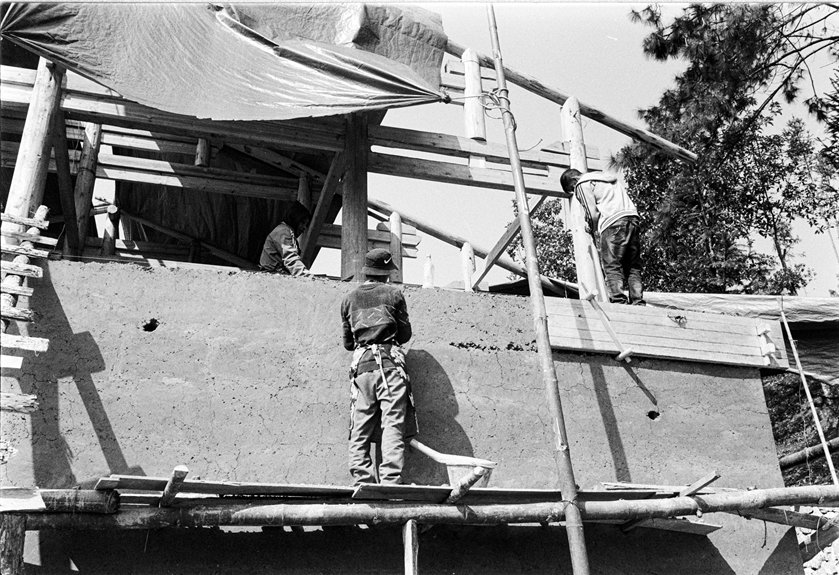
In Moore, OK, residential roof construction methods prioritize durability to withstand heat, storms, and high winds. Common techniques include installing engineered trusses, precise framing, and weather-resistant sheathing, often using asphalt shingles, metal panels, or tiles designed for impact resistance and energy efficiency. Proper ventilation and secure fastening are essential for long-term performance. If you continue exploring, you’ll discover detailed steps and material choices tailored to Moore’s climate and building codes.
Understanding Residential Roofing in Moore, OK: Key Materials and Styles
Understanding residential roofing in Moore, OK, requires familiarity with the region’s prevalent materials and design styles to guarantee durability and aesthetic integration. Local climate influences material choices, favoring durable options like metal and tile that withstand heat and storms.
Incorporating solar panels requires a roof structure with adequate load capacity and ideal sun exposure, often favoring south-facing slopes.
Proper roof ventilation is essential to prevent heat buildup and moisture accumulation, extending the lifespan of roofing materials and maintaining energy efficiency. Ventilation systems should include soffit vents, ridge vents, or turbine vents, ensuring continuous airflow.
Materials like metal roofing can seamlessly integrate solar panel mounts, while tile or composite roofs need careful planning for panel attachment.
Recognizing these key elements helps tailor your roofing approach to Moore’s climate, maximizing durability, energy efficiency, and aesthetic harmony with regional styles.
Additionally, choosing a trusted roofing contractor with regional expertise ensures proper installation and long-term performance of your roofing system.
Traditional Asphalt Shingle Roofs: The Most Common Choice in Moore
Asphalt shingles offer a balance of durability and affordability, making them a practical choice for residential roofs in Moore. Their resistance to weathering and ease of installation contribute to long-term cost savings. Additionally, a wide array of styles and colors allows you to customize your roof’s appearance while maintaining performance standards, and choosing quality craftsmanship ensures your roof remains protected and visually appealing for years to come.
Durability and Cost Effectiveness
Traditional asphalt shingle roofs remain the most prevalent choice in Moore due to their exceptional balance of durability and affordability. They offer strong storm resistance, with asphalt granules providing protection against hail and high winds, reducing the risk of damage during severe weather.
Their layered composition enhances insulation benefits, helping to maintain interior temperatures and lower energy costs. Cost-wise, asphalt shingles are economical to install and repair, thanks to widespread availability and straightforward installation processes.
Their durability ensures a lifespan of 15-30 years with proper maintenance, making them a reliable investment. Additionally, advancements in asphalt technology have improved their resistance to UV degradation and moisture, further extending their longevity.
Variety of Styles
Moore homeowners often choose asphalt shingle roofs not only for their durability and affordability but also for the wide range of styles available to suit various architectural preferences. These shingles come in multiple textures, colors, and profiles, allowing customization to match traditional, modern, or eclectic designs.
Advanced installation techniques, such as incorporating proper roof ventilation, optimize airflow and reduce heat buildup, extending shingle lifespan.
Additionally, asphalt shingles are compatible with solar integration systems, enabling seamless installation of solar panels without compromising aesthetic appeal or roof integrity.
The variety of styles combined with these technical features provides flexibility for homeowners seeking functional, visually appealing roofing solutions tailored to their home’s unique architectural character.
Metal Roofing Options for Durability and Energy Efficiency in Moore Homes
Metal roofing options in Moore homes offer an excellent combination of durability and energy efficiency, making them a popular choice among homeowners seeking long-term value. These roofs typically feature interlocking panels made from steel, aluminum, or copper, providing resistance to corrosion, wind, and impact.
Their reflective surface helps reduce heat absorption, lowering cooling costs, especially when paired with integrated solar panels that harness sunlight without compromising roof integrity. Metal roofs are also compatible with effective gutter systems, facilitating proper water runoff and minimizing leak risks.
The sleek design supports innovative features like snow guards and ventilated underlayment, enhancing thermal regulation and moisture control. Installation techniques guarantee a tight seal around fasteners and seams, preventing leaks and extending lifespan.
Tile and Clay Roofs: Adding Style and Longevity to Your Moore Residence
Tile and clay roofs offer a distinctive blend of aesthetic appeal and long-lasting performance, making them an excellent choice for homeowners seeking both style and durability. Roof tile, especially clay roofing, provides superior resistance to weather elements, including high temperatures, heavy rain, and hail, which are common in Moore.
Clay roofing tiles are manufactured through a high-temperature firing process, resulting in a dense, non-porous surface that resists moisture absorption and minimizes freeze-thaw damage. These tiles are inherently fire-resistant and have a lifespan exceeding 50 years with proper maintenance.
Installation involves precise interlocking techniques that ensure weather-tightness and structural stability, often requiring reinforced support due to their weight. Additionally, clay roofing contributes to energy efficiency by reflecting solar heat and reducing cooling costs.
When selecting roof tile, consider the available styles, textures, and color options to complement your home’s architecture, ensuring that your Moore residence combines timeless appeal with sustained performance.
The Role of Wood Shake and Shingle Roofs in Moore’s Architectural Landscape
Wood shake and shingle roofs play a significant role in defining the architectural character of homes in Moore, offering a combination of natural aesthetics and functional performance.
Wood shake roofing is crafted from thick, hand-split logs, providing a textured, rustic appearance that enhances historic or craftsman-style homes.
Shingle roofs, typically made from sawn, uniform pieces, deliver a sleeker, more refined look suitable for various architectural styles.
Both roofing types offer excellent insulation properties, helping to regulate indoor temperatures.
Their natural wood composition guarantees durability when properly maintained, resisting weather elements like wind and rain.
In Moore’s climate, these roofs require regular inspections to prevent rot and insect damage.
The choice between wood shake and shingle roofs impacts not only the visual appeal but also the longevity and maintenance needs of your home.
How to Choose the Right Roofing Construction Method for Your Moore Home
Selecting the appropriate roofing construction method for your Moore home requires a thorough analysis of your local climate conditions, such as humidity, temperature fluctuations, and storm exposure, to guarantee durability and performance.
You must then compare available material options—like asphalt shingles, metal, or tile—based on their weather resistance, lifespan, and maintenance requirements.
Finally, balancing these factors against your budget constraints will help determine a feasible, long-lasting roofing solution tailored to your home’s specific needs.
Assess Your Climate Needs
Have you considered how your local climate conditions directly impact the durability and performance of your roofing system? In Moore, characterized by hot summers and potential severe weather, selecting a construction method that accommodates these factors is essential.
Proper roof ventilation is critical for managing heat buildup and moisture, which can compromise roof integrity over time. If you plan to install solar panels, ensure the roofing structure can support their weight without affecting airflow or ventilation pathways.
Additionally, consider materials and construction techniques that resist high temperatures and wind uplift. Evaluating your climate needs helps you choose a roofing system that enhances energy efficiency, prolongs lifespan, and withstands local weather challenges.
This ensures your investment remains protected and functional for years to come.
Consider Material Options
When choosing the right roofing construction method for your Moore home, evaluating the array of material options is essential to guarantee durability and performance under local conditions. Consider materials like asphalt shingles, metal, tile, or wood, each with specific material maintenance requirements and installation techniques.
Asphalt shingles offer ease of installation and minimal maintenance but can degrade faster in extreme heat.
Metal roofs provide longevity and low maintenance but require precise installation techniques to prevent leaks.
Tile roofs are durable with a long lifespan but demand specialized installation skills.
Assess how each material responds to Moore’s climate, and ensure your contractor follows proper installation techniques to optimize performance.
Selecting the right material involves balancing durability, maintenance needs, and skillful installation to achieve a resilient, long-lasting roof.
Evaluate Budget Constraints
Budget considerations profoundly influence the choice of roofing construction methods for your Moore home, as each option varies in initial costs, long-term maintenance expenses, and lifespan. Material costs are a significant factor, with some materials like asphalt shingles offering affordability, while metal or tile roofs involve higher upfront investments.
Labor expenses also impact overall costs; simpler installation methods reduce labor hours and costs, whereas complex systems require specialized skilled labor, increasing expenses. To optimize your budget, evaluate both material and labor costs alongside durability and longevity.
Prioritize methods that align with your financial constraints while ensuring sufficient quality and performance. Careful analysis of these factors helps you select a roofing system that balances initial affordability with long-term value, preventing premature replacements or excessive maintenance costs.
Local Climate Considerations That Impact Roofing Material Selection in Moore
Moore’s hot and humid climate, characterized by high temperatures, frequent thunderstorms, and occasional severe weather events, considerably influences the selection of roofing materials. You need roofing systems with superior storm resistance to withstand high winds, hail, and heavy rainfall.
Materials such as metal, impact-resistant asphalt shingles, and concrete tiles are ideal because they offer durability against severe weather. Moisture control is equally critical; humid conditions promote mold, rot, and algae growth. You should choose roofing options that provide excellent waterproofing, such as reflective coatings or synthetic underlayments, to prevent water infiltration.
Ventilation also plays an essential role in moisture management, reducing condensation and extending roof lifespan. Considering these climate factors ensures your roof maintains structural integrity and energy efficiency, while minimizing maintenance costs.
Proper material choice tailored to Moore’s climate will enhance your roof’s performance during storms and humid periods, safeguarding your home effectively.
Step-by-Step Process of Residential Roof Construction in Moore, OK
To guarantee a durable roof, you start with precise site preparation, including leveling the surface and installing necessary drainage systems.
Next, you construct the framing and attach sheathing to create a solid structural base.
Finally, a thorough inspection verifies all components meet safety standards before completing the project.
Site Preparation Steps
Before laying the foundation for a new residential roof in Moore, OK, thorough site preparation is crucial to guarantee a safe and stable construction process. Begin by clearing the site of debris, vegetation, and obstructions to ensure unobstructed access.
Inspect the existing structure for damage, addressing any underlying issues that could affect the new installation.
Implement weatherproofing techniques, such as installing temporary barriers, to shield the site from moisture and wind during construction.
Proper drainage must be established to prevent water accumulation, reducing environmental impact and structural risks.
Additionally, plan for minimal environmental disruption by controlling runoff and waste disposal.
Accurate site assessment and preparation create a stable base, enhancing safety, durability, and sustainability of the residential roof in Moore, OK.
Framing and Sheathing
Once the site preparation is complete, the next critical phase involves framing and sheathing your residential roof. Begin with roof framing by installing engineered trusses or rafters, ensuring precise measurements and proper spacing according to structural plans. Use metal connectors and nails for secure joints, maintaining alignment and load distribution.
Next, apply sheathing techniques by attaching plywood or OSB panels to the framing structure, typically starting from the lower edge and working upward. Fasten each panel with corrosion-resistant nails, ensuring tight, gap-free connections to provide a solid base for roofing materials.
Proper framing guarantees structural integrity, while precise sheathing techniques prevent issues like warping or leaks. This stage is essential for creating a durable, weather-resistant roof that can withstand the elements in Moore, OK.
Final Inspection Process
Have you completed the physical construction of your residential roof in Moore, OK? The final inspection process begins with an organized review using an inspection checklist, ensuring all components meet safety and building code standards.
You’ll verify proper installation of flashing, shingle alignment, and ventilation systems, inspecting for potential leaks or damage. Conduct a thorough final walkthrough with your contractor or inspector, focusing on identified issues and confirming corrective actions.
This step confirms that flashing is sealed, fasteners are secure, and all materials conform to specifications. Document any deficiencies for immediate correction.
Once the inspection checklist confirms compliance, and the final walkthrough validates quality, you can confidently approve the project for occupancy or further finishing. This meticulous process ensures durability, safety, and adherence to local regulations.
Cost Factors and Budgeting for Different Roofing Methods in Moore
Understanding the cost factors and budgeting considerations for roofing methods in Moore requires a detailed analysis of material prices, labor expenses, and installation complexity. Material costs substantially influence overall budgets, with options like asphalt shingles, metal, or tile varying widely in price per square foot.
Accurate budget planning involves evaluating these material costs upfront, considering quality and durability to avoid future expenses. Labor expenses depend on the roofing method‘s complexity; simpler installations like asphalt shingles generally cost less in labor compared to more intricate systems such as metal or tile roofs.
Installation complexity impacts project duration and labor rates, affecting total costs. Additionally, factors like roof pitch, size, and existing structures influence both material selection and labor requirements.
To create a reliable budget, you need to appraise these cost components carefully, factoring in potential price fluctuations and ensuring contingency funds are allocated for unforeseen expenses. This strategic approach helps ensure your project remains financially viable.
Maintenance and Longevity Tips for Your Moore Residential Roof
Effective maintenance is key to maximizing the lifespan and performance of your Moore residential roof, especially given the variety of roofing materials like asphalt shingles, metal, and tile.
Regular roof maintenance involves inspecting for damaged or missing shingles, checking for loose or corroded fasteners, and clearing debris that can trap moisture.
For asphalt shingle roofs, look for curling or granule loss, which signals deterioration.
Metal roofs require periodic inspection for corrosion, loose panels, or sealant deterioration.
Tile roofs benefit from checking for cracked or displaced tiles.
Promptly addressing issues prevents water infiltration and structural damage, directly enhancing roof longevity.
Maintaining proper drainage by cleaning gutters and downspouts is also vital, as standing water accelerates wear.
Seasonal inspections before winter and after storms help identify vulnerabilities early.
Conclusion
Choosing the right roofing method in Moore, OK, depends on understanding material strengths, local climate, and your budget. Proper installation guarantees durability and peak performance, while regular maintenance extends your roof’s lifespan. By selecting the appropriate style—whether asphalt, metal, tile, or wood—you can enhance your home’s resilience against Moore’s weather conditions. A well-informed, technically sound approach guarantees your roof’s longevity, energy efficiency, and structural integrity over time. For more information on how to schedule your free roof inspection, call us at (405) 543-2920 or visit us online at Top View Roofing.