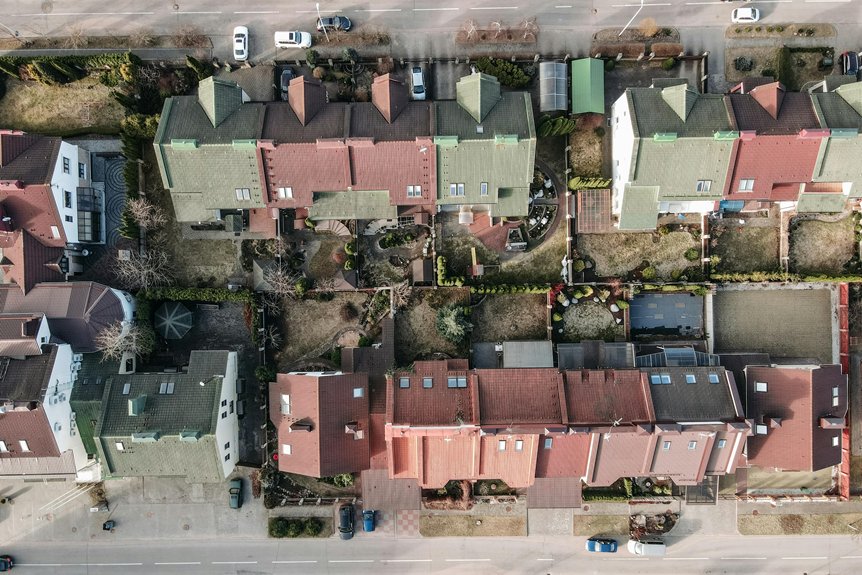
A residential roof in Oklahoma City starts with a sturdy roof deck, covered by sheathing like plywood or OSB for support. You then add insulation for energy efficiency, followed by roofing materials such as shingles, metal, or tile, installed in overlapping courses to prevent water intrusion. Proper ventilation using soffit, ridge, or gable vents is essential to combat moisture and temperature issues. Understanding these core components and weather considerations helps guarantee a durable, long-lasting roof—more details await your exploration.
What Are the Key Components of a Residential Roof?
A residential roof comprises several essential components that work together to provide structural integrity and weather protection. Central to this is the roof deck, which forms the foundation for all other layers.
Above the deck, roof insulation plays a critical role in energy efficiency, helping to regulate indoor temperatures and reduce utility costs. Proper insulation also prevents moisture buildup, which can compromise the roof’s integrity.
The roofing system includes roofing underlayment—an additional waterproof barrier beneath the shingles or other surface materials.
Shingles, metal panels, or tiles serve as the primary weather-resistant surface, designed to shed water and protect the underlying layers.
Ensuring these components are correctly installed is crucial for upholding roofing warranties, which often require specific materials and installation standards.
Proper flashing around chimneys, vents, and edges prevents water infiltration.
Additionally, understanding the importance of regional weather considerations helps in selecting durable roofing materials suited for Oklahoma City’s climate.
Together, these elements form a resilient, durable residential roof capable of withstanding Oklahoma City’s weather conditions.
How Do Different Roofing Materials Impact Durability and Cost?
Choosing the right roofing material considerably influences both the longevity and overall cost of your roof. Your roofing material selection directly impacts durability, maintenance needs, and initial investment.
For example, asphalt shingles offer a cost-effective option with moderate lifespan, typically 15-30 years, and lower installation costs. Conversely, metal roofing provides superior durability, lasting 40-70 years, but comes with higher upfront expenses.
Tile and slate materials excel in longevity and resistance to severe weather, yet their installation costs are markedly higher. Conducting a thorough cost comparison helps you balance budget constraints with desired durability.
While some materials may have higher initial costs, their extended lifespan often results in lower lifetime expenses. Ultimately, understanding how each roofing material impacts both durability and cost enables you to make informed decisions aligned with your property’s demands and budget, ensuring a resilient and cost-efficient roof over time.
Which Roof Styles Are Popular for Oklahoma City Homes?
In Oklahoma City, homeowners favor roof styles that combine durability with architectural appeal to withstand the region’s variable weather conditions. Popular choices include gable, hip, and shed roofs, each offering inherent storm resistant design features.
Gable roofs provide excellent runoff for heavy rains and snow, reducing water infiltration risks. Hip roofs are highly stable, offering superior resistance to high winds and storms common in the area. Shed roofs, with their single slope, facilitate effective drainage and are favored for modern aesthetics.
These styles not only enhance the aesthetic appeal of your home but also contribute to its resilience during severe weather events. Selecting a roof style with a storm resistant design ensures longevity and minimizes maintenance costs.
Choosing the right roofing materials can further enhance your roof’s durability and storm resistance, complementing the architectural style.
The right choice aligns structural strength with visual appeal, maximizing both function and curb appeal in Oklahoma City’s climate. This strategic approach ensures your roof provides ideal protection while maintaining the desired architectural style.
How Is a Roof Constructed From the Ground Up?
Understanding how a roof is constructed starts with the foundation and framing, which provide structural support.
Next, sheathing and insulation are installed to guarantee durability and energy efficiency.
Finally, roofing materials are applied, and finishing touches complete the assembly for long-lasting performance.
Foundation and Framing
The foundation and framing stages establish the structural integrity necessary for a durable roof, beginning with a solid base that supports all subsequent components. Foundation preparation involves precise excavation, leveling, and the installation of footings or slabs to guarantee stability.
Once the foundation is set, roof framing begins, where engineered or traditional trusses and rafters are constructed to form the roof’s skeleton. This stage requires exact measurements and secure connections to withstand environmental forces.
Proper roof framing ensures load transfer from the roof to the foundation, preventing structural failure. Every step, from foundation preparation to framing, must adhere to local building codes and engineering standards, especially in Oklahoma City’s climate conditions.
This meticulous process guarantees a resilient framework for the entire roofing system.
Sheathing and Insulation
After completing the framing stage, the next step in constructing a durable roof involves installing sheathing and insulation. Roof sheathing, typically plywood or OSB (oriented strand board), provides a solid surface for attaching roofing materials and adds structural stability. Proper installation guarantees the sheathing is securely fastened and aligned to prevent gaps and warping.
Simultaneously, insulation is installed to improve energy efficiency and indoor comfort. Common insulation types include fiberglass batts, foam board, and spray foam, each offering different R-values and moisture resistance. Selecting the appropriate insulation depends on climate conditions and energy codes for Oklahoma City.
Correct installation of roof sheathing and insulation is essential to create an effective, weather-tight barrier that enhances the roof’s longevity and performance.
Roofing and Finishing
Have you ever wondered how a roof comes together from the ground up? The process begins with selecting appropriate roofing materials, such as asphalt shingles, metal panels, or tile, based on durability, climate, and aesthetic preferences.
These materials are installed in overlapping courses to ensure water tightness. Once the primary roofing surface is in place, finishing techniques are employed to enhance performance and appearance.
This includes applying sealants, flashing, and ridge caps to prevent leaks and improve wind resistance. Proper installation of these elements guarantees the roof’s longevity and structural integrity.
Attention to detail during roofing and finishing guarantees your home is protected against Oklahoma City’s weather conditions, providing a durable, weather-resistant barrier that combines functionality with aesthetic appeal.
What Are Common Roof Ventilation Methods and Why Do They Matter?
Proper roof ventilation plays a crucial role in maintaining the longevity and energy efficiency of your home. Effective ventilation methods include attic vents, soffit vents, ridge vents, and gable vents.
Attic vents facilitate airflow by allowing warm, moist air to escape from the attic, preventing mold and structural damage.
Soffit vents, positioned under the eaves, enable cool outside air to enter the attic space, promoting continuous airflow.
Ridge vents run along the peak of the roof, providing a continuous exhaust point that works in tandem with soffit vents to create a balanced ventilation system.
Gable vents, located on the exterior walls of the attic, also assist in airflow but are less efficient than ridge and soffit systems.
Properly designed ventilation prevents heat buildup during summer, reduces moisture accumulation, and minimizes ice dam formation in winter.
Ensuring these components are correctly installed and maintained is essential for ideal roof performance and energy efficiency.
How Do Weather Conditions Affect Roof Construction in Oklahoma City?
Weather conditions considerably influence roof construction in Oklahoma City, demanding careful consideration of wind forces, precipitation, and temperature changes. High winds can compromise roofing materials and installation techniques.
Rain and moisture pose risks of leaks and deterioration. Temperature fluctuations require materials that accommodate expansion and contraction, ensuring long-term durability and performance.
Wind Impact on Roofing
Wind is a critical factor influencing roof construction in Oklahoma City, where frequent and intense gusts can exert significant stress on roofing materials and structures. To enhance storm resistance, roofs must be engineered to withstand high wind uplift forces, which can loosen or detach roofing components.
Proper attachment methods, such as using high-quality fasteners and adhesives, are essential to prevent wind-driven failures. The design should incorporate aerodynamic features that reduce wind pressure on the roof surface.
Additionally, selecting durable materials capable of resisting wind erosion prolongs roof lifespan and maintains integrity during storms. By prioritizing wind resistance, you guarantee your roof can endure Oklahoma City’s unpredictable weather, minimizing damage and safeguarding your home against the destructive power of high winds.
Rain and Moisture Effects
Heavy rainfall and persistent moisture pose considerable challenges to roof construction in Oklahoma City, where frequent storms can compromise structural integrity over time. Effective drainage systems are essential to prevent water infiltration and reduce moisture buildup that can lead to rot or mold.
Properly designed gutters facilitate efficient water diversion, minimizing pooling on the roof surface and around the foundation. Regular gutter maintenance is critical; clogged or damaged gutters impair water flow, increasing the risk of leaks and water damage.
Additionally, roofing materials must be selected for durability against moisture exposure, and proper sealing around flashings and joints is necessary to prevent leaks.
Temperature Fluctuations Influence
Temperature fluctuations considerably impact roof construction in Oklahoma City by causing expansion and contraction of roofing materials. This process, known as thermal expansion, leads to material movement that can compromise the roof’s integrity if not properly addressed.
During hot periods, roofing components expand, potentially stressing joints, fasteners, and seams. Conversely, in colder weather, material contraction occurs, increasing the risk of cracks and gaps. These cyclical changes demand precise material selection and installation techniques to accommodate movement without damage.
Properly designed roofs incorporate expansion joints and flexible sealants to absorb thermal stresses. Overlooking temperature-induced effects can result in accelerated wear, leaks, and structural failure.
Understanding these dynamics enables you to ensure your roof’s durability against Oklahoma City’s temperature variability.
What Signs Indicate Your Roof Needs Repairs or Replacement?
Recognizing the signs that your roof requires repairs or replacement is essential for maintaining its integrity and preventing costly damage. Visible damage such as curling, cracking, or missing shingles indicates structural deterioration.
Water stains on ceilings or walls suggest leaks that compromise the roofing system; these issues often accelerate without prompt intervention. Additionally, granule loss on shingles can diminish protection and signal aging.
Be aware that failing to address these signs may void roofing warranties, leaving you unprotected against future damages. It’s also critical to verify that any repairs or replacements meet local roofing permits, ensuring compliance with safety standards.
Persistent moss, mold, or algae growth can also weaken roofing materials over time. Regular inspections help identify these issues early, saving you money and extending your roof’s lifespan.
Recognizing these signs promptly enables you to schedule necessary repairs or replacements before minor issues escalate into major problems.
How Can Homeowners Ensure Proper Roof Maintenance and Longevity?
To guarantee your roof remains in prime condition and extends its lifespan, regular maintenance is essential. Conducting routine roof inspections allows you to identify early signs of damage, such as loose shingles or minor leaks, before they escalate into costly repairs.
Schedule inspections at least twice a year, ideally in spring and fall, to assess the roof’s integrity and address issues promptly.
Gutter cleaning is equally critical; clogged gutters can cause water backup, leading to roof deterioration and potential leaks. Ensure gutters are free of debris and securely attached to facilitate proper water runoff.
Additionally, trim overhanging branches to prevent physical damage during storms. Keep an eye on flashing and sealant areas for signs of wear or cracks.
Conclusion
Understanding the core components, materials, and construction methods of your roof enables you to make informed decisions and guarantee longevity. Proper ventilation and regular maintenance are essential for durability, especially considering Oklahoma City’s unique weather patterns. By staying vigilant for signs of damage and partnering with experienced professionals, you can protect your investment and maintain a safe, resilient home. For more information on how to schedule your free roof inspection, call us at (405) 543-2920 or visit us online at Top View Roofing. Prioritize expert guidance to optimize your roof’s performance and extend its lifespan effectively.