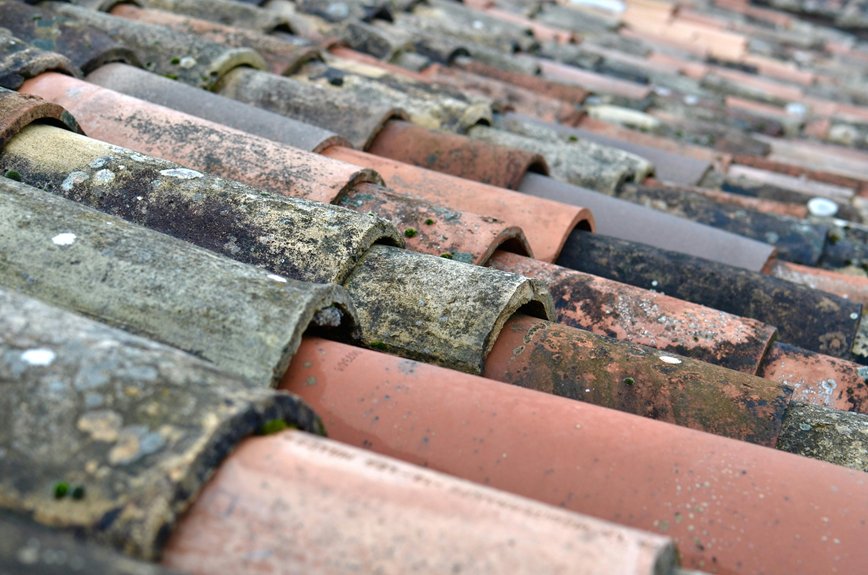
If you’re comparing architectural shingles to traditional asphalt shingles in Moore OK, you’ll find that architectural options feature layered construction, enhanced durability, and a textured appearance, making them more resistant to wind, impact, and UV damage. They also come in a broader color palette for better curb appeal but cost more upfront. Traditional shingles are simpler, easier to install, and more budget-friendly but lack the longevity and storm resistance of architectural styles. To discover which option suits your home best, consider the detailed performance and aesthetic differences.
Understanding the Differences Between Architectural and Traditional Shingles in Moore OK
While traditional asphalt shingles have long been favored for their affordability and straightforward installation, architectural shingles offer significant enhancements in durability and aesthetic appeal.
One key difference lies in their color options; architectural shingles typically come in a broader palette, allowing you to select hues that better complement your home’s design. These shingles often feature layered construction and added granules, which contribute to a more textured, multi-dimensional appearance.
When it comes to installation processes, architectural shingles require precise placement due to their weight and layered design. They’re generally installed using overlapping courses with more fasteners per shingle to ensure stability and wind resistance.
The increased complexity of installation may require professional expertise but results in a more resilient, visually appealing roof. Overall, understanding these distinctions helps you appreciate how architectural shingles provide both enhanced visual versatility and superior performance over traditional options.
Additionally, architectural shingles are designed with local weather challenges in mind, making them a durable choice for homes in Moore, OK.
What Are the Benefits of Architectural Style Roof Shingles for Your Home?
Architectural roof shingles deliver notable benefits by enhancing both the durability and visual appeal of your home. Their multi-layered construction provides superior structural integrity, resisting wind uplift, impact, and UV degradation more effectively than traditional shingles. This increased durability translates into longer lifespan and reduced maintenance costs. Trusted roofing experts recommend architectural shingles for their proven long-term performance.
When it comes to roof aesthetics, architectural shingles offer a multidimensional, textured appearance that elevates your home’s curb appeal with a sophisticated, high-end look. Their varied profiles and color options allow for customized design, boosting overall property value.
Additionally, architectural shingles contribute to energy efficiency by improving insulation properties, which can help regulate indoor temperatures and reduce heating and cooling expenses. The enhanced roof aesthetics combined with their durability and energy-saving potential make architectural shingles a strategic investment for homeowners seeking both functional and visual upgrades.
This combination ensures your roof remains resilient while elevating your home’s exterior appeal.
How Do Traditional Shingles Compare in Cost, Durability, and Style?
Traditional asphalt shingles are generally more cost-effective upfront than architectural shingles, making them a popular choice for budget-conscious homeowners. During shingle installation, they require less labor and fewer materials, which helps reduce initial costs.
In terms of durability, standard shingles typically have a lifespan of 15 to 20 years, though this can vary based on quality and environmental conditions. They often come with basic roofing warranties that cover manufacturing defects but may offer limited coverage for storm damage or wear.
Stylistically, traditional shingles provide a more uniform, flat appearance, which some homeowners prefer for a classic look. However, they lack the dimensional depth and textured visual appeal of architectural shingles.
While they may be less expensive initially, consider long-term factors like durability and warranty coverage to assess overall value. Choosing between the two involves balancing upfront costs with long-term performance and aesthetic preferences.
Which Roofing Material Is Better Suited for Moore’s Weather and Architectural Trends?
Moore’s climate presents specific challenges that influence the suitability of roofing materials, making it essential to select options designed to withstand local weather patterns and align with current architectural trends.
Architectural style roof shingles, especially those with high solar compatibility, offer enhanced energy efficiency by reflecting sunlight and reducing cooling costs. Their design flexibility allows for color personalization, enabling you to match or accentuate your home’s aesthetic while maintaining durability.
Traditional shingles may lack the advanced features needed for Moore’s hot summers and frequent storms, such as resistance to UV degradation and high winds. Conversely, architectural shingles often incorporate layered constructions and weather-resistant materials, providing superior longevity and storm resilience.
When considering architectural trends, these shingles can be customized to complement modern or classic designs, ensuring your roof not only functions ideally but also elevates your home’s visual appeal.
Ultimately, architectural shingles are better suited to Moore’s weather and evolving aesthetic preferences.
Making the Right Choice: Factors to Consider When Choosing Your Roofing Shingles
Selecting the appropriate roofing shingles requires careful consideration of multiple technical factors to guarantee ideal performance and longevity. Ventilation considerations are critical; proper attic ventilation prevents moisture buildup and reduces heat retention, which can compromise shingle integrity. Confirm your chosen shingles are compatible with your ventilation system to maintain suitable airflow.
Additionally, understanding installation requirements is essential—some shingles demand specialized tools, specific underlayment, or adherence to manufacturer protocols to maximize durability. Architectural style shingles often have more complex installation procedures compared to traditional shingles, so verify that your roofing contractor has experience with the selected material.
Consider weight and wind resistance ratings to withstand Moore’s weather patterns. Also, assess material warranties and color stability over time. Balancing these factors ensures your roof not only matches your architectural vision but also performs reliably throughout its lifespan, minimizing future repair costs and maximizing protection.
Conclusion
Choosing between architectural and traditional shingles in Moore, OK, depends on your home’s aesthetic preferences, budget, and climate resilience. Architectural shingles offer superior durability, enhanced curb appeal, and longer warranties, making them ideal for weather extremes common in Moore. Traditional shingles provide a cost-effective, straightforward option but may require more frequent replacements over time. To ensure you select the best roofing material for your needs, assess your priorities and consider Moore’s specific weather conditions. We recommend consulting with local roofing experts to maximize performance and value. For more information on how to schedule your free roof inspection, call us at (405) 543-2920 or visit us online at Top View Roofing.